
Therapies for Prostate and Neuroendocrine Cancer
One in eight men will be diagnosed with prostate cancer in their lifetime, with 60% of cases occurring in men 65 or older. African American men face more than double the risk of developing and dying from the disease.
While overall cancer deaths have declined 33% since 1991, prostate cancer deaths have increased 3% annually from 2014 to 2019. Advanced-stage diagnoses have risen nearly 5% per year since 2011.
Neuroendocrine tumors primarily develop in the GI tract, with approximately 8,000 U.S. adults diagnosed annually. The overall 5-year survival rate is 94%, but outcomes vary significantly by stage: 97% for localized tumors, 95% for regional spread, and 67% for distant metastasis.


Advanced Theranostics Technology
Inland Imaging’s Nuclear Medicine Department brings groundbreaking theranostics treatment to the Inland Northwest. Theranostics combines diagnostic imaging with targeted therapy, using radioactive compounds to both locate tumors and deliver precision radiation treatment.
We offer two FDA-approved theranostic agents: Pluvicto for metastatic prostate cancer and Lutathera for advanced neuroendocrine tumors. As the only regional provider offering both treatments, Inland Imaging is among a select few centers nationwide providing advanced personalized dosimetric analysis using SPECT/CT technology.
This approach allows our team to customize treatments for each patient, verify therapy distribution, and monitor tumor response in real time, reducing side effects by minimizing radiation exposure to healthy tissue.
Inland Imaging delivers this innovative, personalized cancer treatment closer to home for patients across Eastern Washington, Northern Oregon, Idaho, and Western Montana.
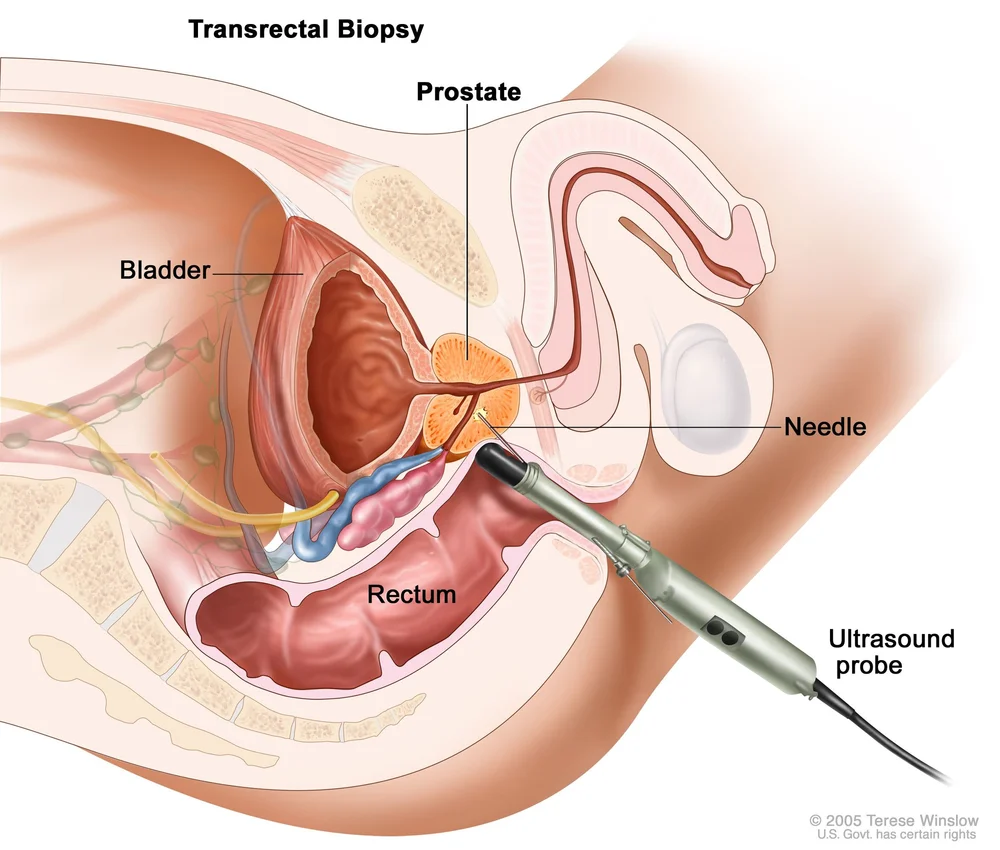
A transrectal biopsy to find the size and location of prostate cancer. An ultrasound probe is inserted into the rectum to show where the tumor is. A needle is then inserted to remove tissue from the prostate.

The middle portion of the gastrointestinal tract, is the most common location for cancerous neuroendocrine tumors to form.
Images are from Terese Winslow, cancer.gov
Patient Testimonials
Megan N.
“I wanted to let you know that our Front Desk team cannot say enough great things about Megan in scheduling.”
Joe S.
“The tech was great. He knew I was anxious and took his time explaining, gave me options and time to acclimate.”
VP staff
“The staff were all very friendly and helpful. I live in Idaho, and I come in purposely to use your facility for any imaging needs.””
Amy K.
“Calling for my appointment was a real blessing that I got Amy who went beyond in what was expected to get me in appointments quickly…”
IITC staff
“All services provided by Inland Imaging were truly respectful and professional.”
Frequently Asked Questions
Theranostics combines diagnostic imaging with targeted therapy. It uses radioactive compounds to locate cancer cells and deliver precision radiation treatment to those specific areas, minimizing damage to healthy tissue.
We offer theranostics treatment for metastatic prostate cancer (using Pluvicto) and advanced neuroendocrine tumors (using Lutathera).
Unlike chemotherapy or external radiation that affects the entire body, theranostics targets only cancer cells expressing specific biomarkers. This personalized approach typically results in fewer side effects and more effective treatment.
Treatment plans are personalized based on your specific condition and response. Your care team will develop a customized schedule and monitor your progress throughout treatment.
Theranostics is administered as an intravenous infusion in our Nuclear Medicine Department. The procedure typically takes a few hours. You’ll be monitored during and after treatment, with follow-up imaging to assess tumor response.
Side effects vary by individual and treatment type but are generally less severe than traditional chemotherapy. Common side effects may include fatigue, nausea, and temporary changes in blood counts. Your care team will discuss specific risks and management strategies.