
- Home
- Services
- Computed Tomography
- Coronary CT
Coronary CT
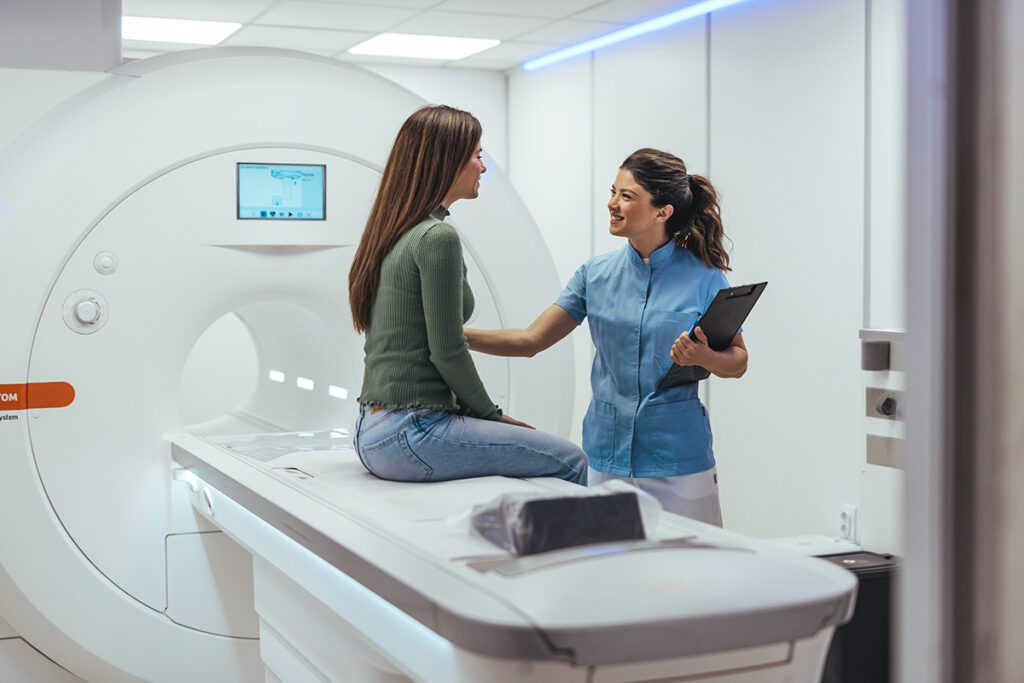
Understanding Coronary Artery Disease
Cardiovascular disease is the No. 1 cause of death in the United States. Atherosclerosis, the hardening and narrowing of arteries from plaque build up on the artery walls – is often the culprit of cardiovascular disease, including heart attack and stroke.
Until recently, there were no non-invasive studies that could directly evaluate atherosclerosis. However, thanks to major technological advancements, CT has emerged as an excellent tool for evaluating cardiovascular health and better determining the risk associated with coronary artery disease.
Patient Testimonials
April
“I had already been scheduled for two other exams when the Ct scan a few days later was ready to be scheduled… The scheduler noticed and made it work.”
Josh
“That was amazingly fast and easy… I never would’ve stopped getting X-rays/CT scans, the tech was fast… “
Riley
“My experience was good. Riley was kind and understanding and very professional. — CT patient”
Olivia
“I liked that Olivia took a real interest into my health currently and cared to be sure to get the details for my CT scan.”
Jake
“Our tech Jake for the CT was really great at helping a scared little guy feel more at ease.”
Angela, Rebecca
“Receptionist Rebecca was awesome… and my CT technician Angela was a pure pleasure to work with!”
Frequently Asked Questions
A coronary CT scan is a non-invasive imaging test that uses advanced CT technology to evaluate your heart’s blood vessels and assess your cardiovascular health. It can directly visualize atherosclerosis (plaque buildup in the arteries) and help determine your risk for coronary artery disease, heart attack, and stroke.
Your doctor may recommend a coronary CT if you have risk factors for heart disease, symptoms like chest pain, or a family history of cardiovascular disease. It’s an excellent screening tool to detect early signs of atherosclerosis before serious complications develop.
Unlike traditional invasive procedures, coronary CT is completely non-invasive and doesn’t require catheter insertion. It provides detailed 3D images of your coronary arteries, allowing doctors to see plaque buildup and blockages that other non-invasive tests might miss.
No, a coronary CT scan is painless and non-invasive. You’ll simply lie on a table while the scanner takes images of your heart. You may receive contrast dye through an IV to help your blood vessels show up more clearly on the images.
You may be asked to avoid caffeine and not eat for a few hours before your scan. Wear comfortable clothing without metal fasteners. If you take heart medications like beta-blockers, follow your doctor’s instructions. Be sure to inform the technologist of any allergies, especially to contrast dye.
A coronary CT can detect atherosclerosis, coronary artery blockages, plaque buildup in artery walls, and abnormalities in the heart’s structure. This information helps your doctor assess your risk for heart attack, stroke, and other cardiovascular complications.