IIcom logo 1

About MRI

OVERVIEW

Magnetic Resonance Imaging (MRI) is one of the safest, most comfortable imaging techniques available. The sophisticated technology combines the use of a powerful magnetic field, radio waves, and a specialized computer system to produce detailed, multi-dimensional images of inside your body.

One advantage of an MRI scan is its ability to produce exceptionally detailed images of almost any part of the body, including internal organs, muscles, nerves, blood vessels and small soft tissues around the joints or spine that cannot always be seen easily using other imaging methods.

At Inland Imaging, you have options when scheduling your MRI exam, read below to find out more about the scanners available for your medical needs.

young lady having an mri scan
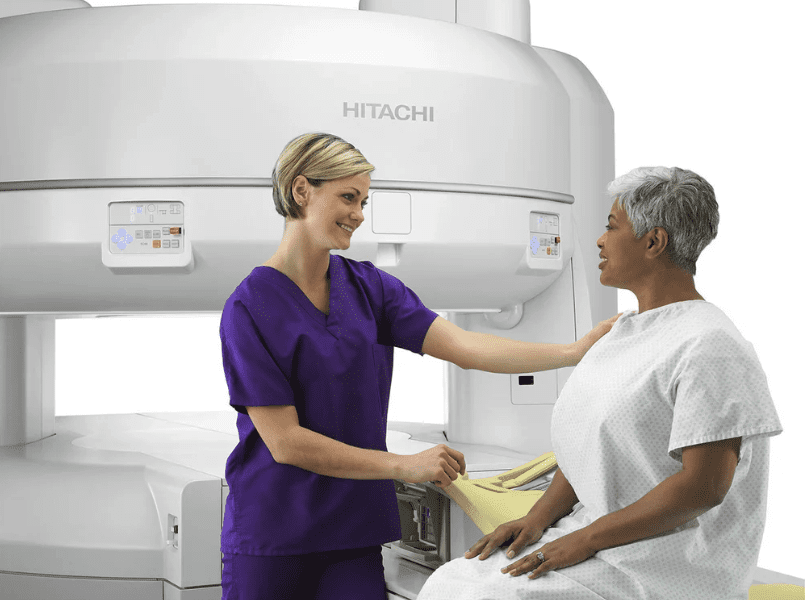
hitachi mri scan machine doctor patient

Open MRI

Inland proudly offers ‘The Oasis” by Hitachi Open MRI Scanner, specially designed for those who experience claustrophobia or anxiety in small spaces. This machine features a spacious opening with a 270-degree view. Patients are even able to maintain physical contact with a friend or family member during the exam if they choose.

The platform can also be lowered to wheelchair height, offering easier access for those with limited mobility. This is an excellent option for those who have concerns about initial comfort when scheduling an MRI exam.

Extremity MRI

In addition to the Open MRI, patients who don’t require a whole-body exam can take advantage of an Extremity MRI exam option. The extremity MRI is a specialty scanner for patients needing an exam of the arm (including elbow, wrist, and hand) or the leg (including knee, ankle, and foot). This exam option provides both outstanding image quality and a more relaxed and enjoyable experience for the patient.

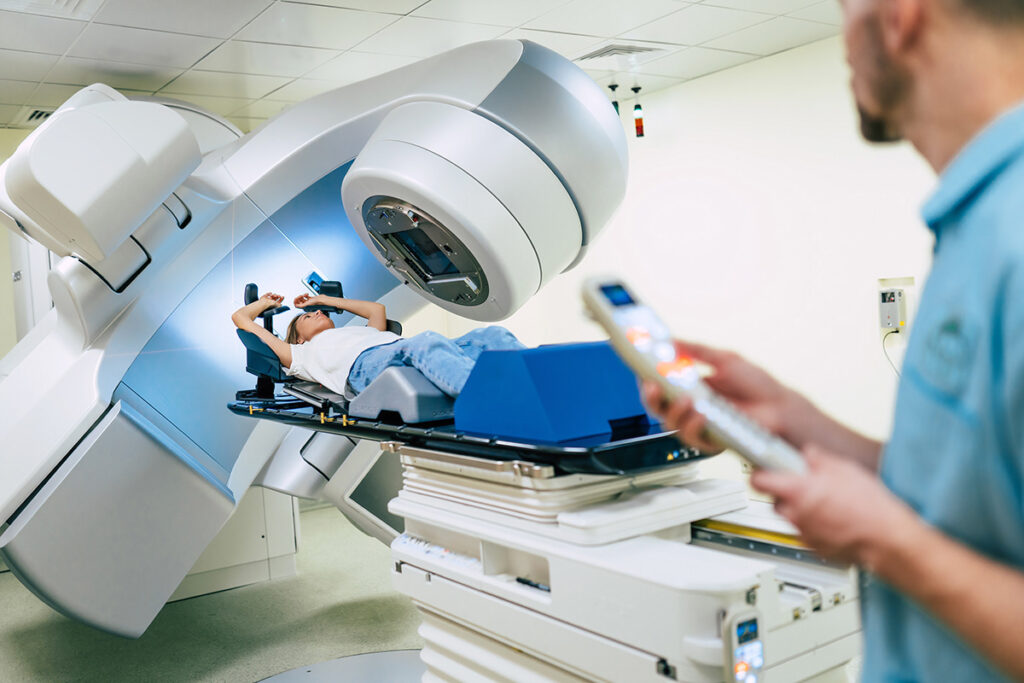
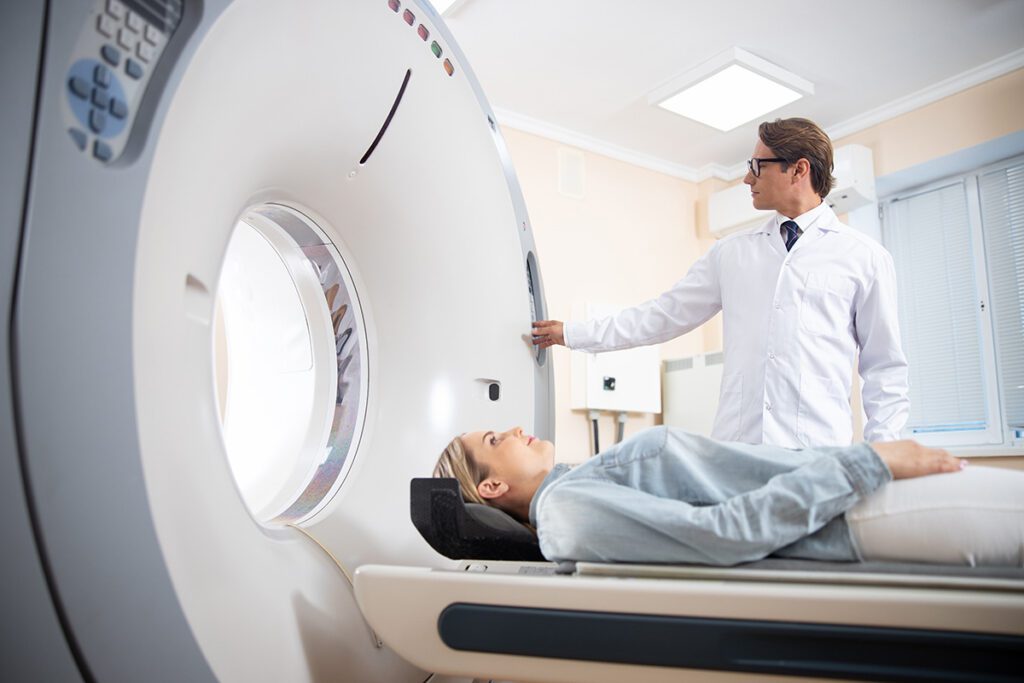
patient in radiology machine with radiologist watching
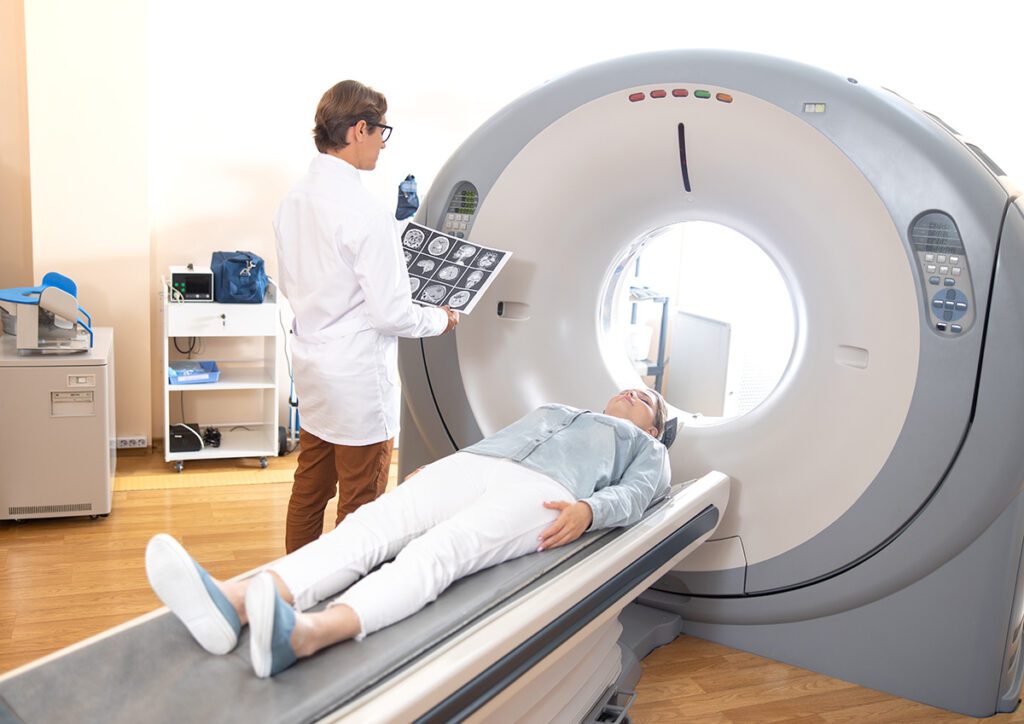
Radiology technologist examining brain CT scan of patient

3T (Tesla) MRI

The strength of the magnetic field generated by an MRI is measured in units known as Teslas. Named after the brilliant inventor, these units of measure define the quality of the images an MRI can produce. Simply put, the more Teslas, the higher quality the images. The technology of the 3T MRI scanner addresses everything from routine medical exams to clinical research. This model is top of its class.

What to Expect during an MRI

Our Radiologists

Scott Zelasko

Scott Zelasko, MD

Allison Tillack, MD

Allison Tillack, MD

Wilhelm Steven

Steven Wilhelm, MD

Townsend Robert

Robert Townsend, DO

Tran Michelle DO

Michelle Tran, DO

Winter Stephen

Stephen Winter, MD

Xiao Jennifer

Jennifer Xiao, MD

Yin Chen

Chen Yin, MD

Smith Philip

Philip Smith, MD

Oksana Prychyna, MD

Oksana Prychyna, MD

Schlung Jedidiah

Jedidiah Schlung, MD

Shehata Mariam

Mariam Shehata, MD

Plesner Samuel

Samuel Plesner, DO

Nackos Jeffrey

Jeffrey Nackos, MD

Rubal Penna, DO

Rubal Penna, DO

Posch Michael

Michael Posch, MD

Preethi Raghu

Preethi Raghu, MD

Luu Jade

Jade Regan, DO

Newton Amy

Amy Newton, MD, MBA

Keaton David

David A. Keaton, MD

Keng George

George Keng, MD

King Scott

Scott King, MD

Kujawski Greg

Gregory Kujawski, DO

Lewis Terri

Terri Lewis, MD

Kim David

David Kim, MD

Koskinen Sean

Sean Koskinen, MD

LeCheminant Ben

Ben LeCheminant, DO

Lloyd Robert

Robert Lloyd, DO

Miller Trevor

Trevor Miller, MD

Henkel Amy

Amy Henkel, MD

Holznagel David

David Holznagel, MD

Hunter Chet

Chet Hunter, DO

Jaszczak Leszek MD,

Leszek Jaszczak, MD

Joiner Elizabeth

Elizabeth Joiner, MD

Gillham Seth

Seth Gillham, MD

Graham Eric

Eric Graham, MD

Gupta Pushpender

Pushpender Gupta, MD

Gleason Timothy

Timothy Gleason, MD

Hoefer Scott

Scott Hoefer, MD

Cruite Irene

Irene Cruite, MD

Dougherty Ryne

Ryne Dougherty, MD, MBA

Ehielie Wendy

Wendy L. Ehieli, MD

Elliott Mark

Mark Elliott, MD

Curtis Matthew

Matthew Curtis, MD, PHD

Finlinson Tyson

Tyson Finlinson, DO

Davis Patrick scaled

Patrick Davis, MD

Fletcher Will

Will Fletcher, MD

Dhillon Gurpreet

Gurpreet Dhillon, MD

Flett Paige

Paige Flett, MD

Frost Robert

Robert Frost, MD

Bell John

John Bell, MD

Benson Adam

Adam Benson, MD

Brake Joel

Joel Brake, MD

Bruce Marc

Marc Bruce, MD

Alder Mark

Mark Alder, MD

Anderson Chris

Chris Anderson, MD

Balmforth Greg

Gregory Balmforth, MD

Bhat Ishwar

Ishwar Bhat, MD

Bauer David

David Bauer, MD

Bruschwein Scott

Scott Bruschwein, MD

Patient Testimonials

Mario, Kaleb

“Mario and Kaleb were excellent! Very kind and informative and made me feel well taken care of during my MRI.”

Jaycie K., Brian H.

“The MRI dept was friendly, professional & very thoughtful of my comfort.”

Sabrina M. and Matthew B.

“I always dread the needle/ contrast appliance for MRI’s and they took care of everything like the pros they are.”

SC MRI Team

“The staff that was in the back that did my MRI did an amazing job and were super friendly.”

Terri, Emily

“The last time I had an mri, I almost passed out… they were aware of my anxiety and took every measure to make sure my appointment was a pleasant experience.”

Frequently Asked Questions

Magnetic Resonance Imaging (MRI) uses a powerful magnetic field, radio waves, and specialized computer technology to create detailed, multi-dimensional images of your body’s internal structures, including organs, muscles, nerves, blood vessels, and soft tissues.

Yes, MRI is one of the safest imaging techniques available. It doesn’t use radiation like X-rays or CT scans. However, because it uses strong magnets, you’ll need to remove all metal objects and inform staff about any implanted medical devices.

Open MRI features a spacious design with a 270-degree view, making it ideal for patients who experience claustrophobia or anxiety in enclosed spaces. Unlike traditional closed MRI tubes, Open MRI allows you to maintain visual contact and even physical contact with a family member during the exam.


Extremity MRI is a specialized scanner designed specifically for imaging arms (elbow, wrist, hand) or legs (knee, ankle, foot). It provides excellent image quality without requiring your entire body to enter the machine, offering a more comfortable experience.

3T (Tesla) refers to the strength of the magnetic field. Higher Tesla numbers produce higher quality, more detailed images. Our 3T MRI scanners represent top-of-the-line technology, providing exceptional image clarity for accurate diagnosis.

Most MRI exams take 30-60 minutes, though some specialized scans may take longer. The exact time depends on the body area being examined and the number of images needed.

It depends on the type of implant. Many modern implants are MRI-safe, but you must inform staff about any implanted devices, including pacemakers, artificial joints, surgical clips, or IUDs. We’ll determine if MRI is safe for you.

MRI can image nearly any part of the body. We offer specialized MRI exams for the brain and spine, musculoskeletal system, heart, breast, prostate, abdomen, pelvis, and more.

Scroll to Top