Pay Your Bill

MY BREAST HEALTH

BREAST PAIN.
SHOULD I BE WORRIED?

If you have breast pain, you are not alone. Breast pain, also known as mastalgia, is common and accounts for 45-70% of breast-related health care visits. The good news is that most causes of breast pain are benign (non-cancerous) and usually related to hormonal changes in your body or something as simple as a poor fitting bra. Breast pain varies a lot from person to person and may feel like a dull ache, tenderness, burning sensation, sharp pain, or just a sense of uncomfortable fullness.

To understand what causes breast pain and what to do about it, it is important to understand a little bit about the different types of breast pain.

Three cheerful girls friends on the beach
Image of beautiful young joyful woman smiling.

Types of breast pain

There are two main types of breast pain. Cyclical breast pain changes with your menstrual cycle and typically affects both breasts. It’s usually worse the week before your period and improves afterward. You may also notice your breasts feel lumpier during this time. This is the most common type and usually doesn’t require treatment.

Noncyclical breast pain affects only one breast and isn’t related to your menstrual cycle. It can be constant or intermittent with no particular pattern. Most causes are benign, with poor-fitting bras being the most common culprit. Other causes include pregnancy, trauma, muscle strain, and prior surgery.

Although breast cancer is usually not painful, it can occasionally cause noncyclical pain in one focal spot. Because of this, noncyclical breast pain may require evaluation to determine the cause.

DENSE BREASTS

Screening mammography enables early detection of breast cancer when it’s small and most treatable. It’s the only screening tool proven to reduce breast cancer deaths. Breast density describes how your breast appears on a mammogram and is determined by the radiologist. Breasts contain fibrous and glandular tissue (which appears white) and fatty tissue (which appears black).

Dense breasts contain mostly white fibrous and glandular tissue. Mammograms are categorized into four density levels: almost entirely fatty, scattered fibroglandular density, heterogeneously dense, and extremely dense. Women with heterogeneously or extremely dense breasts are considered to have dense breasts. This is normal and common, affecting about half of all women. While breast density may decrease with age, most women see little change.

Laughing female friends having fun walking together.

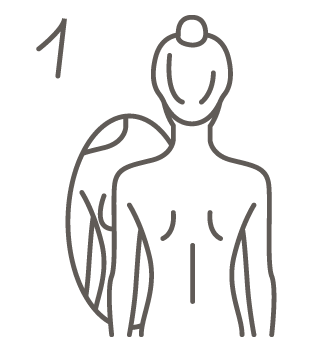
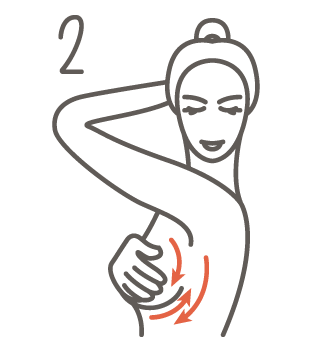
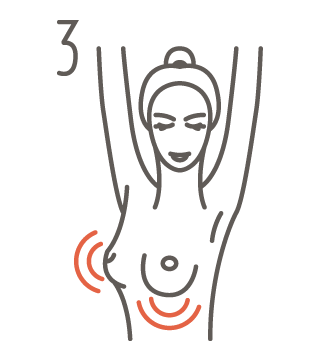
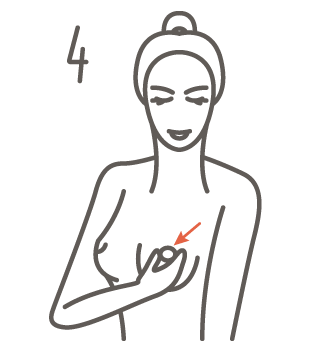
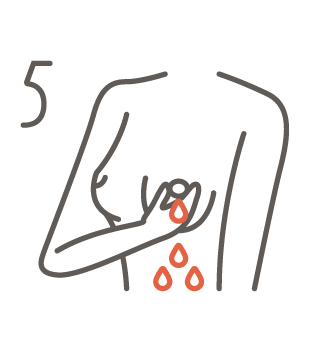
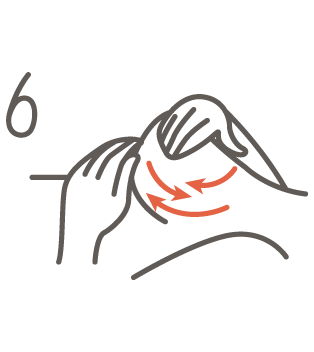
SELF-EXAMINATION

Patient Testimonials

Lorem ipsum dolor sit amet, consectetur adipiscing elit.

“Lorem ipsum dolor sit amet, consectetur adipiscing elit, sed do eiusmod tempor incididunt ut labore et dolore magna aliqua. Ut enim ad minim veniam, quis nostrud exercitation ullamco laboris nisi ut aliquip ex ea commodo consequat.”

Lorem ipsum dolor sit amet, consectetur adipiscing elit.

“Lorem ipsum dolor sit amet, consectetur adipiscing elit, sed do eiusmod tempor incididunt ut labore et dolore magna aliqua. Ut enim ad minim veniam, quis nostrud exercitation ullamco laboris nisi ut aliquip ex ea commodo consequat.”

Lorem ipsum dolor sit amet, consectetur adipiscing elit.

“Lorem ipsum dolor sit amet, consectetur adipiscing elit, sed do eiusmod tempor incididunt ut labore et dolore magna aliqua. Ut enim ad minim veniam, quis nostrud exercitation ullamco laboris nisi ut aliquip ex ea commodo consequat.”

Frequently Asked Questions

Yes, breast pain is very common. It accounts for 45-70% of breast-related health care visits. The good news is that most causes of breast pain are benign (non-cancerous) and usually related to hormonal changes in your body or something as simple as a poor-fitting bra.

Breast pain varies a lot from person to person. It may feel like a dull ache, tenderness, burning sensation, sharp pain, or just a sense of uncomfortable fullness. The type and intensity can differ based on the underlying cause.

Cyclical breast pain is the most common type and changes with hormonal fluctuations in your body. It typically involves both breasts, affects either the entire breast or the upper outer portion, and may radiate to the armpit. Most importantly, it varies with your menstrual cycle—usually worsening during the week before your period and improving after your period starts.

Cyclical breast pain is the most common type and usually does not require any treatment or medical evaluation. However, if the pain is severe, interferes with daily activities, or concerns you, it’s always appropriate to discuss it with your healthcare provider.

Noncyclical breast pain usually involves only one breast and is not related to your menstrual cycle. It can be constant or intermittent, but it’s not associated with any particular pattern. Common causes include a poor-fitting bra, pregnancy, trauma, muscle strain, and prior surgery.


Although breast cancer is usually not painful, when it does cause pain, the pain tends to be noncyclical and usually just in one focal spot. If you experience persistent, localized breast pain, you should have it evaluated by your healthcare provider.

Accredited Excellence

Nationally ranked for excellence, we are the region’s only Breast Imaging Centers of Excellence recognized by the American College of Radiology. From convenient appointments to the highest levels of technology and expertise in the region, everything we do is built around you.

Scroll to Top

Home

Edit Content

Types of Imaging

About MRI

Alzheimer’s Screening

Body MRI

Breast MRI

Cardiac MRI

Head & Spine MRI

MRI DefecographyMSK

MRI

Prostate MRI

About Computed Tomography (CT)

Coronary Artery Screening CT Exam

Coronary CT Angiography
CT Lung Screening

Virtual Colonoscopy

About Nuclear Medicine

Bone Imaging

Brain Scan

Cisternogram

Gallium Scan

Gastric Emptying

Gastrointestinal

Hepatobiliary Scan

I-123 MIBG

Liver and Spleen

Lung Scan

MUGA Scan: Resting

Nuclear Oncology

Renal Scan

Thyroid Exams

White Blood Cell Test

About X-Ray/Fluoroscopy

Hysterosalpingogram

Lumbar Puncture

Myelogram

Upper Gastrointestinal

Voiding Cysto

Urethrogram

Ultrasound

Bone Densitometry

Specialty & Preventative Care

About Women’s Imaging

Breast Cancer by the Numbers

Breast Cancer Risk Assessment

Breast Imaging

My Breast Health

My Mammogram Experience

Supplemental Breast Exams

About Preventative

Imaging

Alzheimer's Screening

Coronary Artery Screening

CT Exam

CT Lung Screening

Virtual Colonoscopy

Varicose Veins / Venous Disease

Body Composition

Theranostics

Additional Services

Interventional Radiology

B Reading Services

Rural Radiology

Edit Content
Click on the Edit Content button to edit/add the content.
Edit Content
Click on the Edit Content button to edit/add the content.

Patient Portal

Pay Your Bill